
rabbits
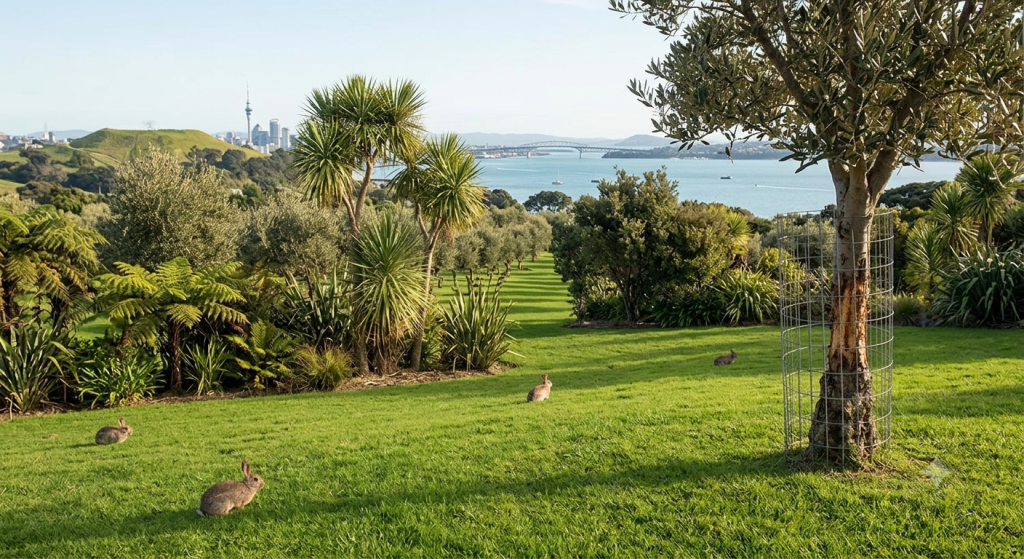
Historical Background & Rapid Population Growth
The European rabbit (Oryctolagus cuniculus) was introduced to New Zealand around 1838 as a game species. Lacking natural biological controls and adapting exceptionally well to the local climate, rabbits quickly established themselves as one of the country’s most severe agricultural pests.
Rabbits possess extraordinary reproductive capabilities:
- Rapid Sexual Maturity: Young rabbits reach breeding maturity at just 3 to 4 months of age.
- High Fecundity: A single female can produce 25 to 40 offspring annually.
- Year-Round Breeding: In New Zealand’s favourable climate, breeding can occur continuously, leading to rapid, exponential population explosions if left unchecked.
Agricultural & Environmental Impact
Unmanaged rabbit populations cause significant economic loss for landowners, farmers, and commercial properties:
- Pasture & Stock Competition: Rabbits directly compete with livestock for high-value forage. They preferentially target high-quality grasses and graze down to soil level, severely reducing pasture carrying capacity and pasture recovery times.
- Soil Erosion & Structural Damage: While European rabbits in New Zealand rarely construct extensive underground warrens, females dig short breeding burrows—known as “stops”—to give birth. This localized digging, combined with vegetation depletion, strips the topsoil and accelerates severe erosion in softer, drier soils.
- Ecological Balance: Historical attempts to control rabbits through introduced predators (such as ferrets, stoats, weasels, and feral cats) proved devastating to New Zealand’s vulnerable native bird populations while failing to control rabbit numbers effectively. Modern management requires targeted, scientific intervention.
Our Targeted Rabbit Management Plan
At Bug Patrol, we offer an efficient, year-round rabbit control program tailored to mitigate agricultural and property damage while prioritizing environmental safety.
- Highly Effective, Low-Bait-Shyness Formulations
We utilize advanced anticoagulant baits specifically formulated to appeal to the natural feeding preferences of European rabbits. Because the bait is highly palatable, rabbits continue feeding without developing “bait shyness,” ensuring they consume an effective lethal dose.
- Safeguarding Native Wildlife & Non-Target Species
- Visual Deterrents: Baits are dyed in specific high-contrast colours designed to deter birds and non-target native wildlife from feeding.
- Secure Delivery: All treatments are deployed in specialized bait stations suited to the terrain, minimizing risk to the surrounding ecosystem.
- EPA-Approved & Registered: Every product used by Bug Patrol is fully checked, approved, and registered for professional pest management by the Environmental Protection Authority (EPA).
The risks for Vineyards and Olive Groves
In New Zealand pest rabbits pose a continuous threat to high-value horticulture, including vineyards and olive groves. The primary impacts of rabbit activity on wine grapes and olive trees fall into several distinct categories:
Direct Destruction of Young Plants & Girdling
- Destruction of Vines & Seedlings: Rabbits target young olive saplings and newly planted grapevine rootstocks. They chew off tender new growth, low-hanging shoots, buds, and foliage within reach.
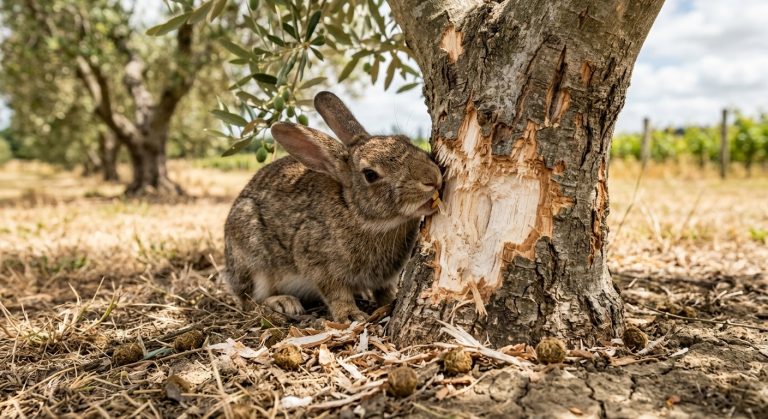
- Trunk Girdling: In winter and early spring when grass forage is scarce, rabbits strip and eat the bark from the trunks of grapevines and olive trees. Ringbarking (girdling) disrupts the transport of nutrients and water, often killing young vines and olive trees outright or causing severe dieback.
Chewing Irrigation Equipment
- Drip Line Damage: Modern vineyards and olive groves rely heavily on drip irrigation networks. Rabbits frequently gnaw through plastic drip lines, micro-tubing, and plastic emitter fittings—either out of curiosity or seeking moisture. This causes system leaks, uneven water distribution, and costly repairs.
Soil Disturbance & Erosion Around Root Systems
- Undermining Roots: Female rabbits dig short breeding burrows (“stops”) and shallow scrapes around row bases, exposing sensitive feeder roots to drying winds and frost.
- Soil Erosion: Strip-grazing of cover crops between vineyard or grove rows exposes topsoil. On sloped or rolling terrain, this leads to wind and rain erosion that depletes soil organic matter and damages machinery tracks.
Overgrazing Cover Crops & Soil Depletion
- Loss of Organic Cover: Orchardists and vignerons plant inter-row cover crops (like clover, oats, or grasses) to enhance soil nutrition, retain moisture, and support beneficial insects. Rabbits graze these crops down to bare earth, competing directly for soil moisture and depleting nutrients intended to enrich the soil.
Pet Safety & Antidote Availability
We take domestic animal safety seriously. In the rare event of accidental ingestion by domestic pets, the anticoagulant compounds we use can be effectively reversed using Vitamin K1 under standard veterinary care.