mosquitoes
how to get rid of mosquitoes around your home
When mosquitoes invade your space, the first impulse is usually to target the biting adults. While eliminating adult mosquitoes provides immediate relief, it only solves half the problem—more mosquitoes are usually just a hatch away.
The secret to long-term mosquito control is targeting their breeding grounds. By removing the habitats where larvae thrive, you stop new generations before they ever have the chance to bite.
Understanding behaviour and breeding
Why Water Control Matters
Mosquito larvae are aquatic and require standing water to survive. Female mosquitoes lay their eggs directly on the surface of standing water or on moist soil right above the waterline. Eliminating standing water disrupts their lifecycle and drastically reduces the adult population around your property.
Peak Season
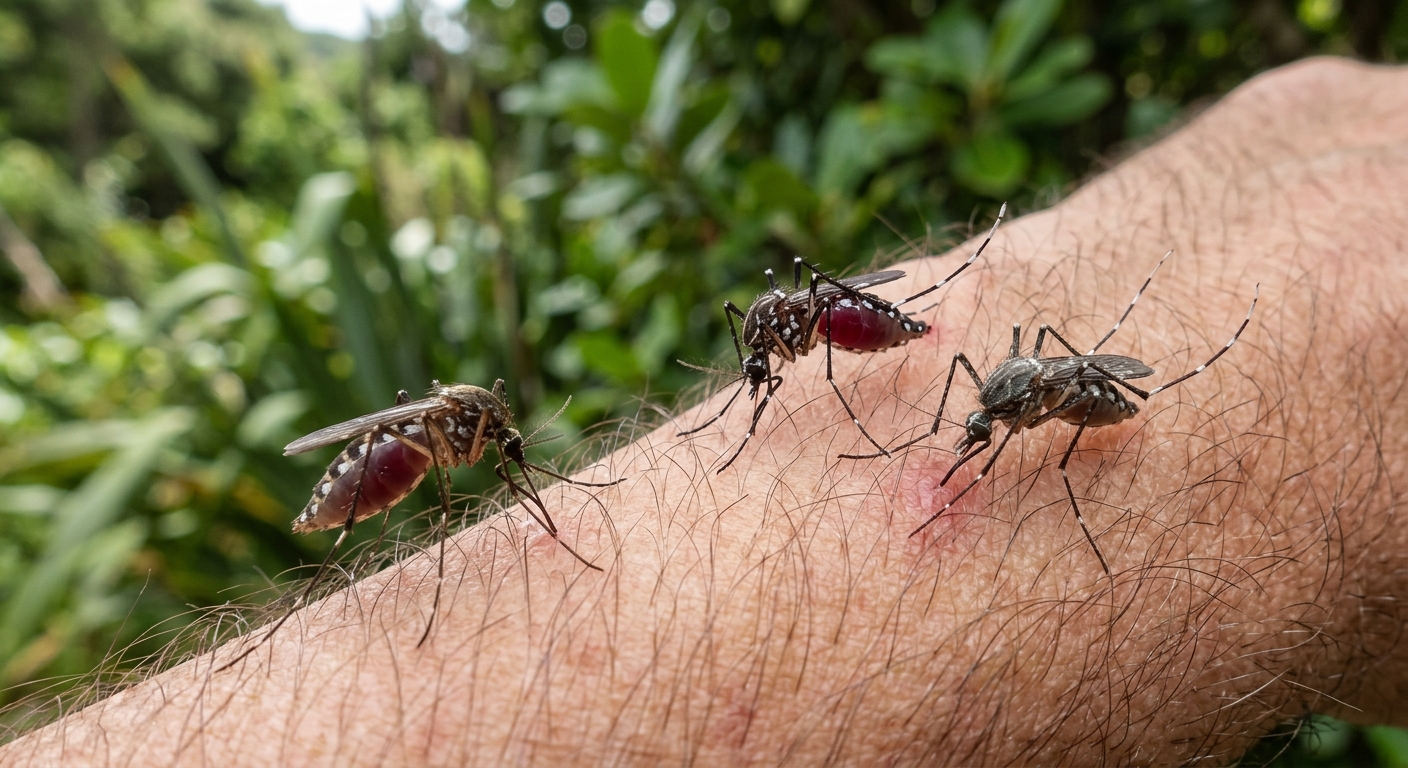
Mosquitoes thrive in warmer temperatures. In New Zealand, populations peak fromearly spring through late summer, and can persist during warmer autumn months.
Common Backyard Species in NZ
While different species prefer different environments (ranging from salty to fresh, clean, or organic-rich water), two main culprits dominate typical New Zealand backyards:
-
Culex pervigilans (the native mosquito)
-
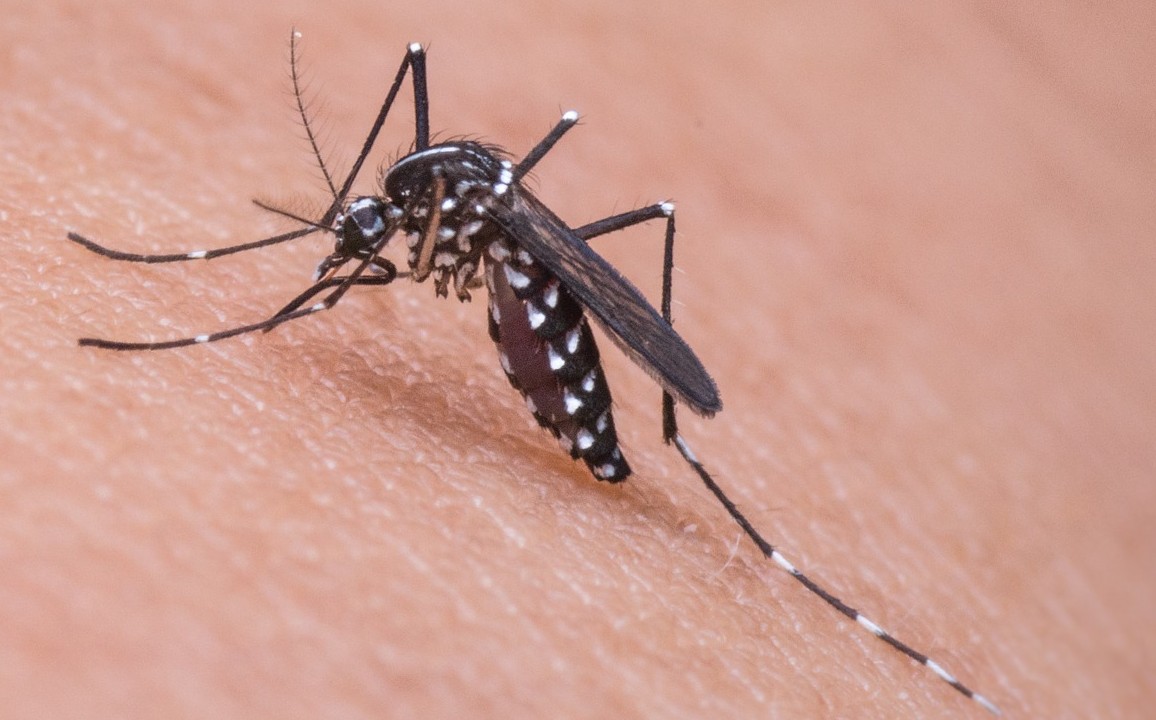
Aedes notoscriptus (the striped mosquito)
By controlling habitats tailored to these two species, you will effectively manage almost all biting mosquitoes on your property.
Flight Range & Lifespan
Flight: Female mosquitoes travel away from breeding sites searching for a blood meal, while males stay close to where they hatched.
Lifespan: In warm weather, adult mosquitoes typically live 1 to 2 months. Those that overwinter can live up to 6 months.
12 Simple Ways to Remove Mosquito Habitats
Eliminating stagnant water is the most effective DIY step you can take. Inspect your yard regularly and take action on these common hotspots:
Clear Gutters & Drains: Clean out leaves and debris regularly to prevent water from pooling.
Cover Rain Tanks: Ensure all rainwater collection tanks are fully covered and sealed.
Maintain Pools: Keep swimming pools well-chlorinated and free of dead leaves and organic matter.
Fill Plant Drip Trays: Empty pot plant trays and fill them with sand. The sand holds moisture for your plants without creating open water for mosquitoes.
Turn Over Containers: Invert unused outdoor items so they cannot hold water (e.g., dinghies, drums, unused sandpits, and paddling pools).
Seal Septic Tanks: Cover venting pipes and small gaps on septic systems.
Fill Ground Holes: Drain or fill low spots in your garden where rainwater collects.
Refresh Pet Bowls: Empty, scrub, and refill outdoor pet drinking bowls regularly.
Add Fish to Ponds: Introduce fish species that feed on mosquito larvae. During high-summer surges when fish can’t keep up, consider using targeted mosquito dunks.
Drill or Remove Old Tyres: Mosquitoes love wet tyres. Drill drainage holes in them or dispose of them entirely.
Clear Backyard Rubbish: Dispose of old cans, jars, plastic containers, or rubbish that can catch rainwater.
Mulch Under Trees: Apply heavy mulch in garden beds to prevent pooling. Avoid weed mats where possible, as water can pool underneath—creating a hidden breeding haven.
professional solutions
While removing standing water goes a long way, severe infestations or heavy surrounding vegetation often require professional intervention.
Our professional mosquito treatment programs combine safe, high-performance chemical treatments with non-chemical habitat management to create a protective barrier around your outdoor living areas—keeping your yard comfortable all season long.
Ready for a bite-free summer?